

AI-Education Hub
AI Education Hub
There is broad consensus about interventions that help education outcomes. The challenge has always been adopting
them at scale and ensuring the underserved communities benefit from them. The field of AI-Education is growing at
breathtaking pace, and there is hope that it could be a critical tool to help students, teachers, and educators at large.
Given the Institut Sangalkam’s mission, it is indispensable to follow closely advances in this field and determine which
aspects of AI-Education hold the best promise to improve learning at scale at an affordable cost in resource constrained
school settings.
Insights from Thought Leaders

Audrey Azouley
Director General, UNESCO)
“Technology must not widen gaps — it must bridge them. In education, AI must be guided by humanity.”

Ndemo Bitange
Chair (Kenya AI Taskforce)
“Africa has the opportunity not to copy the past,but to leap forward with AI-driven learning designed for our realities”

Moustapha Cisse
Former Head of Google AI, Africa
“AI in Africa must be multilingual, inclusive, and built for the communities it aims to serve”

DR Aoun
Northeastern University
“AI won’t replace teachers. But teachers who use AI will transform education”
Audrey Azouley
Director General, UNESCO)
“Technology must not widen gaps — it must bridge them. In education, AI must be guided by humanity.”
AI Challenges and Opportunities
Challenges
Insufficent connectiivity and lack of devices
Varied levels of digital skills amoung teachers
Lack of time to dedicade to training outside of work
Opportunities
Designing training programs for real conditons and substainabiliity
Hands on support, identify innovative teachers to support those lagging behind , Build supportive CoPs
Incorporate digital and AI training module from preservice, TDO and ongoing training
AI-Education Hub
Our AI-Education Strategy
At Institut Sangalkam, we believe that artificial intelligence is not just a tool — it is a transformational force that can help us
personalize learning, support teachers, strengthen data-driven
leadership, and expand educational equity. Our AI-Education
strategy ensures that technology serves our mission: to empower students, educators, and communities with intelligent systems that are ethical, inclusive, and rooted in local realities. By leading with purpose and vision, we aim to shape a future of education that is both innovative and human-centered.
Potential benefits of AI in Education

Our AI Education Strategy
- Vision & Mission
- Core Priorities
- K-12 School: AI and Learning
- Teacher Training: AI & For Teachers
- Think-Tank: AI in Research & Policy
- Infrastructure & Data Strategy
A. Vision Statement:
- “We envisage a Senegal where every student, teacher and thought leader confidently navigates the opportunities and challenges of the AI era-fostering creativity, critical thinking, and ethical innovation for national and global good”
B. Mission Statement:
- Educating K-12 students with an inclusive, future-ready curriculum that integrates AI literacy, ethical leadership, and Senegalese values.
- Empowering teachers through dynamic, world-class training that equips them to use, teach, and critically engage with AI tools in diverse learning environments.
- Inspiring research, dialogue, and policy development through a dedicated think tank that shapes ethical, culturally grounded, and sustainable AI adoption in education and beyond.
A. Vision Statement:
- Implement AI-powered adaptive learning platforms tailored to individualneeds, learning styles, and pace
- Use predictive analytics to offer early interventions or struggling students
- Foster student agency by enabling personalized project-based learning experiences
B. Intelligent Operations
- Automate routine administrative processes (attendance tracking, scheduling) to allow educators to focus more on teaching
- Introduce AI-driven systems for resource allocation, facility management
- Apply AI chatbots for real-time, student, and teacher support
C. Teacher Capacity Building
- Equip educators with Ai toolkits and training on using AI ethically and effectively in the classroom
- Develop simulation-based teacher training modules that allow practice in virtual environments
D. Intelligent Operations
- Establish or partner with Ai-Education labs to conduct research on Ai impact on learning outcomes
- Leverage AI tools to simulate educational policies
- Partner with research institutions and policymakers to co-create AI guidelines for responsible use in schools
E. Ethical AI & Governance
Promote digital citizenship and critical thinking about AI among students
and staffs
A. Adaptive Learning Environments
- Learning A-driven platforms that adjust the curriculum and pace on each student’s performance and learning style
- Offer personalized assignments and learning pathway, ensuring all students are challenged appropriately
B. Predictive Analytics for Student Success
- Use AI to monitor student engagement, attendance, and academic
- performance in real-time.
- Generate early warning alerts for students at risk of falling behind,
- enabling proactive interventions by teachers and counselors.
C. Automated Administrative Support
- Automate or support grading using AI-Assisted grading tools
- Streamline scheduling, report generation, and student documentation, freeing up teacher time for instructional planning
D. Enhanced Learning Experiences
- Integrate AI-powered tutors and chatbots that provide 24/7 homework help an concept reinforcement
- Use natural language processing tools to assist students with writing, reading, comprehension, and language learning
E. Learning Analytics Dashboards
- Develop visual dashboards for students, teachers, and parents to track progress, strengths, and areas for growth.
- Use data insights to create personalized support plans, enrichment opportunities, and parent-teacher collaboration strategies.
F. AI-Supported Inclusion and Accessibility
- Leverage AI tools to provide real-time translations, speech-to-text support, and differentiated resources for students with diverse needs.
A. AI-Integrated Professional Development
- Develop AI-enhanced training programs that offer personalized learning paths based on each educator’s skills, goals, and subject areas.
B. Virtual Simulations and Immersive Learning
- Offer AI-driven classroom simulations where teachers can practice managing different learning scenarios (e.g., disruptive behavior, differentiated instruction).
C. AI Coaching and Feedback Tools
- Implement AI systems that analyze video recordings of lessons and provide constructive feedback on teaching strategies, student engagement, and classroom management.
D. Smart Resource Recommendations
- Use AI to suggest customized teaching resources (lesson plans, multimedia content, assessment tools) aligned with curriculum standards and student needs.Develop a Senegal-centered Data Privacy Policy aligned with international standards like GDPR, but rooted in local values and legal frameworks.Implement robust cybersecurity measures to protect sensitive educational and research data.
E. Collaborative AI learning Communities
- Create online platforms where educators can collaborate, share best practices, and solve problems together with AI suggesting expert connections and discussion topics.
F. Ethics and AI literacy for Educators
- Train teachers not only to use AI tools, but to critically understand AI’s ethical dimensions — bias, transparency, and data privacy — preparing them to guide students in responsible AI use.
A. AI-Powered Educational Research
- Establish -independently or in partnership-a data-driven research hub focused on local education challenges: literacy rates, school attendance, multilingual education, and equity in rural versus urban areas.
- Use machine learning to analyze patterns in student outcomes, teacher performance, and resource allocation across Senegalese schools.
B. Policy Simulation and Impact Modeling
- Developer disseminate AI models to simulate the long-term impact of educational policies before implementation (e.g., national curriculum reforms, AI integration in schools, teacher training policies).
- Predict how changes in funding, curriculum, or technology access will affect different regions and demographics.
C. Educational Data Lab for Senegal
- Create or encourage an open-access data lab where policymakers, researchers, and educators can collaborate to explore education data trends.
- Prioritize data sovereignty: ensure Senegalese data stays protected and benefits national interests.
D. Partnership for Innovation
- Partner with local universities, African research networks, global AI think tanks, and edtech companies to co-develop AI tools suited for the Senegalese context.
E. Knowledge Building and Dissemination
- Publish white papers, policy briefs, and research articles on AI in education tailored for African contexts.
- Develop or encourage certification programs in “AI for Education Policy” and “Data-Driven Decision-Making in Schools.”
A. Unified Digital Ecosystem
- Build a centralized, secure Education Data Platform that integrates information from the K–12 school, teacher training center, and think tank.
- Ensure interoperability: systems should easily exchange data across different schools, regions, and research partners.
B. Cloud-Based & Scalable Infrastructure
- Leverage affordable cloud technologies (e.g., AWS, Azure, local African cloud providers) to store and manage student, teacher, and research data.
- Design for scalability so the center can expand to partner schools across Senegal and West Africa over time.
C. Reliable Connectivity
- Invest in strong internet infrastructure, ensuring reliable access even for partners in rural areas.
- Partner with telecom providers to offer subsidized connectivity packages for students and teachers, especially in underserved regions.
D. Data Privacy and Protection
- Develop a Senegal-centered Data Privacy Policy aligned with international standards like GDPR, but rooted in local values and legal frameworks.
- Implement robust cybersecurity measures to protect sensitive educational and research data.
E. AI Governance Framework
- Consider establishing an AI Ethics Board composed of educators, parents, students, tech experts, and community leaders.
- Set clear policies for (1) AI transparency (how AI decisions are made), (2) Bias mitigation (especially linguistic and cultural biases), and (3) Consent for data use (opt-in/opt-out systems for families)
AI-Education Hub
AI Education Resources
The Resources section of our AI-Education Hub is designed to empower educators, students, and decision-makers with practical access to the most relevant AI tools and learning opportunities. By curating a list of AI applications tailored for education, organizing trusted online courses, and highlighting leading AI tools beyond the classroom, we bridge innovation and accessibility. This section ensures our community stays informed, equipped, and ready to engage with AI in ways that are meaningful, ethical, and transformative.
AI Education Resources
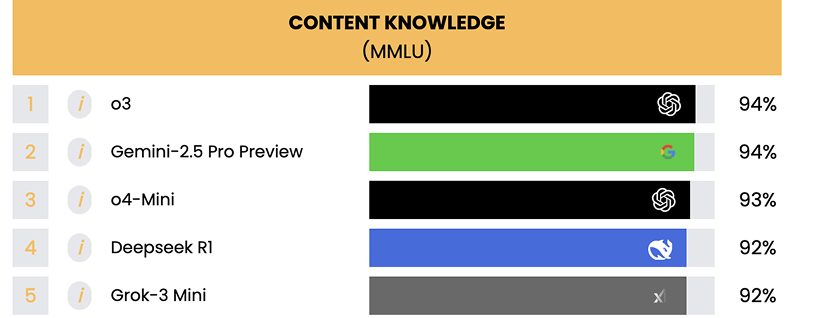
“Not all AI tools are created equal. To help educators, researchers, and policymakers evaluate which AI-powered
resources align with effective teaching and learning principles, we recommend using AI-for-Education Pedagogical
Benchmark-a global standard developed by education researchers and technologists”
- AI Tools for Education
- Online Learning & Training
- Open Data Repositories & Research Tools
- Other Generic AI Tools
Benchmarking AI –Education Tools
| Tool | Description | Access |
|---|---|---|
| The Pedagogy Benchmark: AI-For- Education) | A framework for evaluation how well AI education tools support effective teaching and learning, based on five core pedagogical principles | ACCESS |

AI and Digital Innovation Datasets
| Course | Description | Access |
|---|---|---|
| Open AI Dataset Archive | Public datasets supporting AI research, language modeling, and innovation | ACCESS |
| Hugging Face Educational Datasets | Open NLP and AI datasets focusing n multilingual and educational content | ACCESS |
| Data Science Africa Open Datasets | African datasets for machine learning and data science innovation | ACCESS |
Data Analytics
| Tool | Description | Access |
|---|---|---|
| Microsoft Copilot | Enables seamless data analysis and report generation directly within Microsoft Excel and PowerPoint using natural language prompts. | ACCESS |
| Julius AI | Transforms spreadsheets and datasets into interactive, chat-based analysis tools, allowing users to explore data through conversation without coding. | ACCESS |
| Claude (by Anthropic) | Acts as a powerful AI assistant that can analyze, summarize, and interpret complex datasets, documents, or policy materials in natural language. | ACCESS |
Image and Video Generation
| Tool | Description | Access |
|---|---|---|
| MIDJOURNEY | Generates highly artistic, stylized images from text prompts, ideal for visual storytelling, concept art, and design inspiration. | ACCESS |
| ARCADS | Enables rapid creation of professional-looking video ads and motion graphics using AI, with customizable templates and brand assets. | ACCESS |
| KREA.AI | Offers real-time AI image generation and editing tailored for designers, allowing precise control over style, texture, and composition. | ACCESS |
Document Summarization and Note Taking
| Tool | Description | Access |
|---|---|---|
| NOTEBOOKLM (by Google) | Acts as an AI research assistant that reads your documents, highlights key ideas, and generates summaries or study guides tailored to your questions. | ACCESS |
| GRANOLA | Transforms long articles, lectures, and videos into concise, structured notes and study-ready outlines using AI-driven summarization. | ACCESS |
| BOX AI | Provides secure, AI-powered summarization and insights for enterprise documents stored in Box, enabling fast information retrieval and decision-making. | ACCESS |
Voice Tools
| Tool | Description | Access |
|---|---|---|
| ELEVENLABS | Generates ultra-realistic AI voices in multiple languages and emotions, ideal for audiobooks, education, and content localization. | ACCESS |
| INTERCOM | Uses AI voice and chat to deliver personalized, automated customer support, enabling faster and more human-like interactions at scale. | ACCESS |
| Play.ht | Creates high-quality AI voiceovers from text using a wide range of realistic voices and languages, ideal for e-learning, podcasts, and video narration. Supports 130+ languages ad 900+voices | ACCESS |
Email Outreach and Automation
| Tool | Description | Access |
|---|---|---|
| INSTANTLY.AI | Uses AI to automatically draft, personalize, and send email sequences that adapt to recipient behavior, streamlining outreach and engagement. | ACCESS |
| TYPEFULLY | Combines AI writing assistance with scheduling and analytics for crafting effective Twitter/X threads and emails, focused on audience growth and clarity. | ACCESS |
| ZAPIER | Connects and automates workflows between apps (including email platforms) using simple AI-powered triggers—no coding required. | ACCESS |
Writing
| Tool | Description | Access |
|---|---|---|
| CLAUDE | An AI assistant designed for thoughtful, structured writing, capable of drafting, editing, and summarizing long-form content with a focus on safety and context. | ACCESS |
| SCRYBE | Provides AI-powered writing support tailored for academic and research contexts, helping users outline, cite, and polish scholarly work. | ACCESS |
| LEX | A distraction-free AI writing tool that helps you generate ideas, draft content, and overcome writer’s block directly within a sleek document editor. | ACCESS |
Research and Development
| Tool | Description | Access |
|---|---|---|
| PERPLEXITY | An AI-powered search and research assistant that delivers up-to-date, sourced answers and summaries from across the web and academic databases. | ACCESS |
| EXA | Uses AI to help researchers and marketers discover high-quality content, citations, and web sources with precision search beyond traditional engines. | ACCESS |
| SPARKTORO | Provides audience intelligence by analyzing online behavior and content trends,helping researchers and communicators understand what their target groups read, watch, and follow. | ACCESS |
Talent Strategy and Recruiting
| Description | Access | |
|---|---|---|
| BEAMERY | An AI-driven talent lifecycle platform that helps organizations identify, engage, and develop candidates with predictive insights and workforce planning tools | ACCESS |
| EIGHTFOLD AI | Uses deep learning to match people to the right roles by analyzing skills, career paths, and talent potential across internal and external candidates. | ACCESS |
| HIREVUE | Provides AI-powered video interviewing and assessment tools that streamline hiring by evaluating communication, problem-solving, and job-specific traits. | ACCESS |
Managing Inventory
| Tool | Description | Access |
|---|---|---|
| CLAUDE (Anthropic) | Acts as an AI assistant that can analyze inventory reports, forecast trends, and support decision-making through natural language insights and summaries. | ACCESS |
| GOOGLE GEMINI | A multimodal AI model that can interpret spreadsheets, dashboards, and stock visuals to help optimize inventory levels and supply chain planning. | ACCESS |
| LINNWORKS | Specialized in e-commerce, this AI-powered platform automates inventory tracking, order management, and stock forecasting across multiple sales channels. | ACCESS |
| ORDERBOT | Automates inventory, order fulfillment, and product information across multiple e-commerce and retail channels, using AI to ensure real-time accuracy and reduce stockouts. | ACCESS |
| NetSuite (by Oracle) | Offers a comprehensive AI-enabled ERP platform that manages inventory, procurement, and demand forecasting at scale, ideal for complex, multi-location operations. | ACCESS |
AI-Education Hub
Governance & Legislation
The Resources section of our AI-Education Hub is designed to empower educators, students, and decision-makers with practical access to the most relevant AI tools and learning opportunities. By curating a list of AI applications tailored for education, organizing trusted online courses, and highlighting leading AI tools beyond the classroom, we bridge innovation and accessibility. This section ensures our community stays informed, equipped, and ready to engage with AI in ways that are meaningful, ethical, and transformative.
Governance & Legislation
- Multilateral Agencies
- African Countries
- North & South America
- European Countries
- Asian Countries
- Global IT
- Think Tanks & Academia